
Addressing the Evolving Power Needs of Educational Institutions #
As educational institutions grow and diversify their teaching facilities, the demand for reliable and efficient electricity continues to rise. Many schools face challenges with aging substation equipment, insufficient capacity, and outdated technology, which can no longer support the operational and safety requirements of modern campuses. The risk of equipment failure increases with age, posing potential threats to the safety of staff and students.
To address these concerns, schools are actively pursuing substation replacement projects. The introduction of advanced maintenance and monitoring technologies not only enhances the reliability of electricity supply but also lays the groundwork for energy conservation, carbon reduction, and intelligent management. These upgrades are essential for maintaining a safe and stable educational and living environment.
Project Challenges and Pain Points #
Overcoming Complexities to Build Efficient Green Energy Systems #
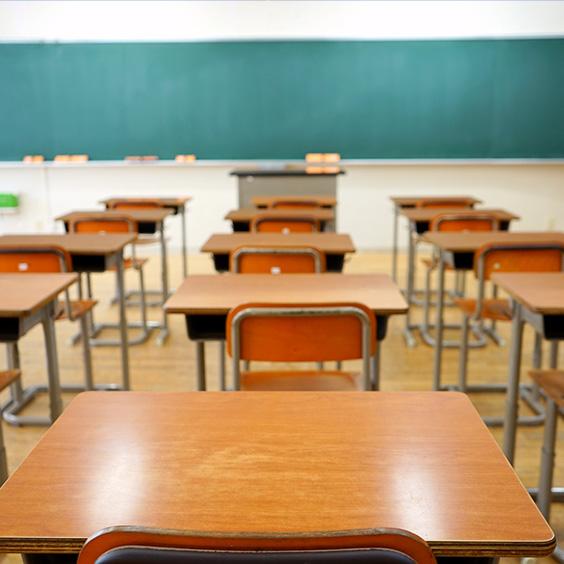
Campus electricity usage spans teaching, experiments, and daily living needs. Any power outage can severely disrupt teaching and compromise student safety. During substation upgrades, it is crucial to ensure uninterrupted power supply, which increases construction complexity. Additionally, most campus power facilities are outdated, and upgrades must consider existing building structures and space limitations, making planning and execution more challenging.
Budget constraints further require that replacement plans strike a balance between cost control and efficiency improvement. Moreover, with the growing emphasis on energy-saving and carbon-reduction policies, schools must comply with environmental regulations and integrate intelligent management systems, adding technical and administrative challenges.
Solution Approach #
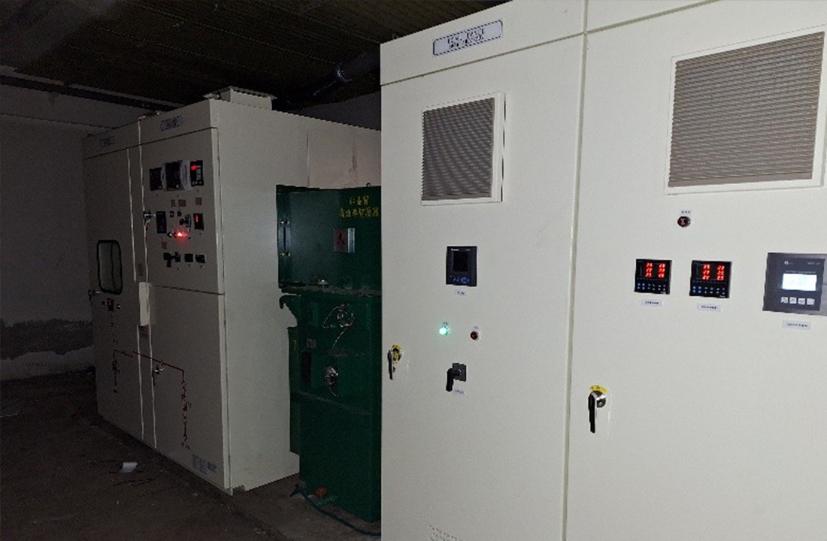
To minimize disruption to teaching and ensure student safety, a phased and segmented construction strategy is implemented. This approach is supported by uninterrupted power supply (UPS) systems and temporary backup power, maintaining continuous operation of critical facilities.
For challenges related to outdated equipment and limited space, on-site evaluation and structural integration planning are prioritized. New power equipment is selected for its compact, modular, and highly compatible design, reducing the impact on existing buildings.
To meet energy-saving, carbon reduction, and intelligent management requirements, the integration of intelligent power monitoring systems and energy management platforms is recommended. These systems improve energy use efficiency, simplify future maintenance, and support regulatory compliance, advancing the modernization and sustainability of the school’s energy infrastructure.
Key Advantages #
-
Extensive Experience in Campus Substation Upgrades
Years of service to schools and academic institutions have resulted in a track record of high-quality, reliable construction, earning deep trust from educational clients. -
Uninterrupted Power Supply During Construction
Advanced phased construction and backup power designs ensure that teaching and research activities continue without interruption, surpassing industry standards for construction stability. -
Strict Safety Management and Zero Accident Record
High-standard safety protocols are enforced, achieving a zero-accident record during construction and exceeding industry safety benchmarks. -
One-Stop Integrated Service
Comprehensive services covering design, construction, and maintenance streamline school management processes and enhance project execution convenience.
Success Case #
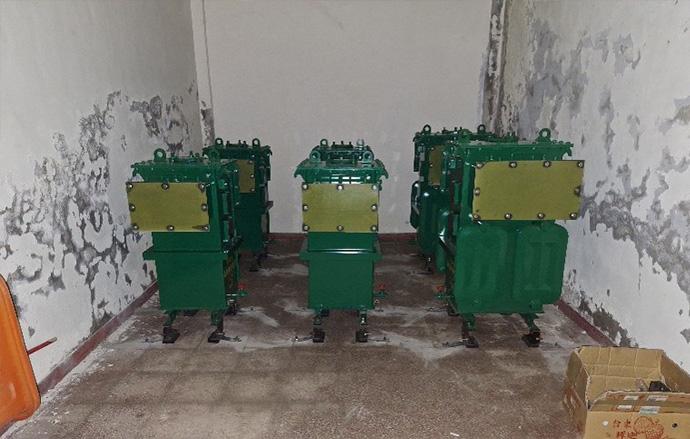
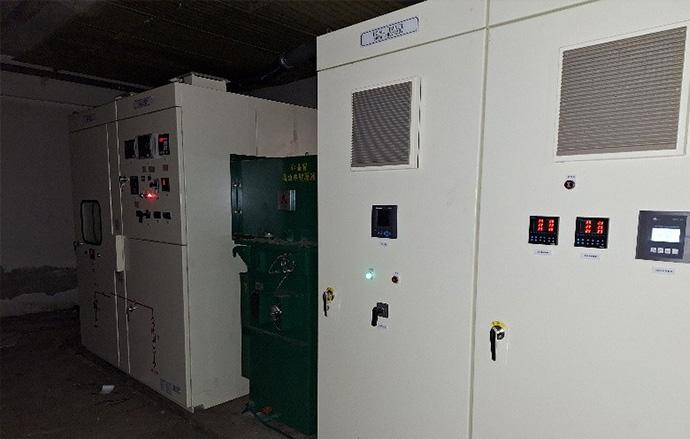
National Yang Ming Chiao Tung University Substation Update Procurement Project
Substation Replacement Project
Related Products and Services #
- All Products and Services
- Smart Power
- Electrical Conductors
- Power Distribution Equipment
- Energy Systems