The Petrochemical Industry: Foundation and Transformation #
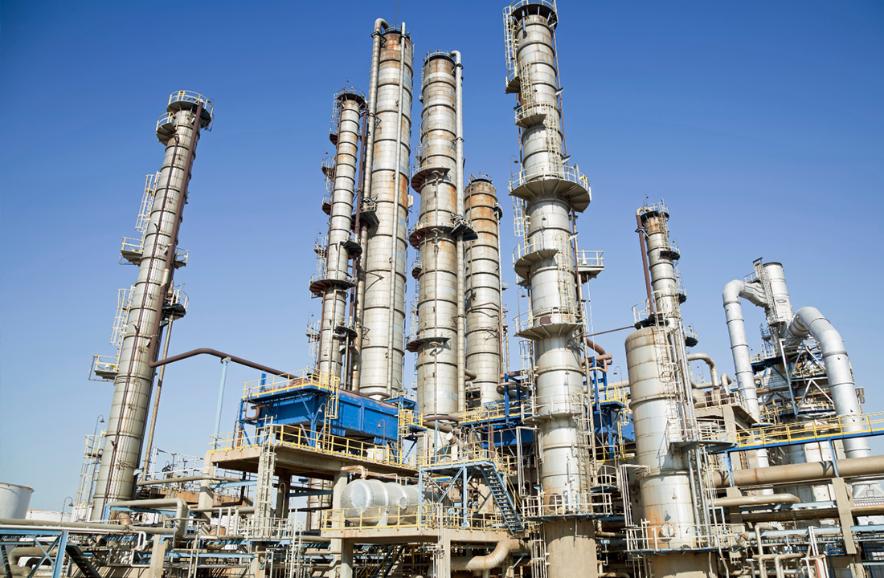
The petrochemical industry forms a vital backbone of modern manufacturing, encompassing petroleum and natural gas refining, chemical production, and downstream product development. Its applications span plastics, synthetic fibers, rubber, agrochemicals, pharmaceuticals, and more. As global economies and technologies advance, the sector continues to expand, optimizing processes to boost both efficiency and product quality. At the same time, the industry faces mounting pressure from stringent environmental regulations and the global shift toward sustainable energy, prompting a move toward green manufacturing and circular economy models. These efforts aim to reduce carbon emissions and resource consumption, ensuring the industry remains a key driver of economic growth, industrial advancement, and material innovation.
Project Pain Points and Challenges #
Overcoming Complexities to Build High-Efficiency Green Energy Systems #
Petrochemical facilities demand exceptional power stability and safety. Any interruption in power can halt production lines, potentially leading to safety incidents, significant financial losses, and environmental hazards. Ensuring uninterrupted power supply during equipment replacement is therefore critical. The complexity is heightened by the large-scale, distributed nature of power equipment, much of which may be outdated and require integration with new systems. Technical compatibility and system integration present significant hurdles during upgrades.
The operational environment is often harsh, characterized by high temperatures, high pressures, and the presence of flammable or explosive materials. This necessitates rigorous safety management throughout construction and maintenance. Additionally, compliance with strict environmental regulations requires that replacement plans balance energy efficiency, emissions reduction, and regulatory adherence, increasing the complexity of design and implementation. Projects typically involve multiple trades, tight schedules, and demand meticulous planning and resource coordination.
Solutions #
- Phased Replacement and Backup Power: Implementing staged equipment replacement and backup power strategies ensures continuous operation, minimizing shutdown risks.
- Comprehensive Assessments: Conducting thorough equipment condition and compatibility analyses enables the selection of high-efficiency, energy-saving equipment that meets safety and environmental standards, facilitating smooth system integration.
- Enhanced Safety Management: Establishing strict construction guidelines and emergency protocols for high-risk environments protects personnel and assets.
- Intelligent Monitoring and Energy Management: Introducing advanced monitoring and management systems increases operational transparency and efficiency.
- Cross-Departmental Coordination: Setting up effective coordination mechanisms and realistic project schedules ensures orderly progress, minimizes production impact, and supports regulatory compliance.
Main Advantages #
- Professional Petrochemical Industry Experience: Extensive experience in substation replacement within the petrochemical sector, with deep familiarity with its unique environments and safety standards, ensures leading construction quality and safety performance.
- Strict Safety Management and Zero Accident Record: High-standard safety protocols are enforced throughout projects, maintaining a record of zero accidents and safeguarding both personnel and equipment.
- Modular and Standardized Construction: Modular design and standardized processes improve efficiency, shorten project timelines, and control costs.
- One-Stop Integrated Service: Comprehensive support is provided, from design and planning to construction, maintenance, and training, reducing coordination burdens for clients.
- Customized Education and Training: Tailored training programs enhance the skills of operators and maintenance teams, supporting long-term, stable system operation.
- Strengthened Risk Management: Focused efforts on emergency preparedness and risk management bolster substation safety and production line resilience.
Successful Case Studies #
Taiwan Petroleum Corporation – Five Stock Storage and Transport Plan
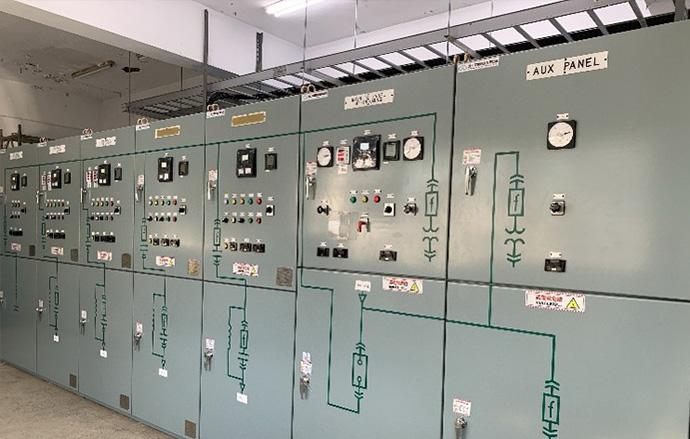
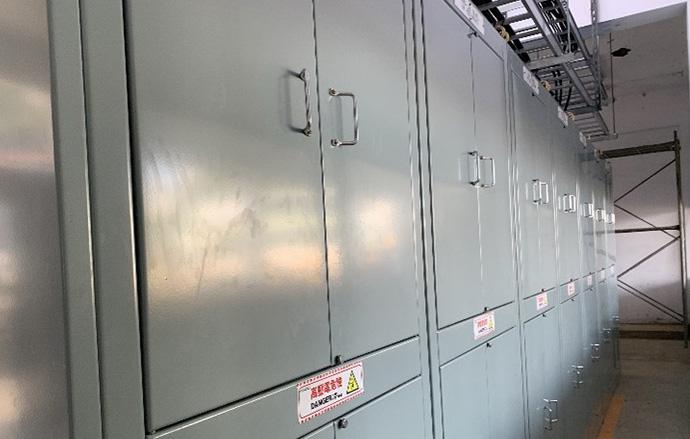
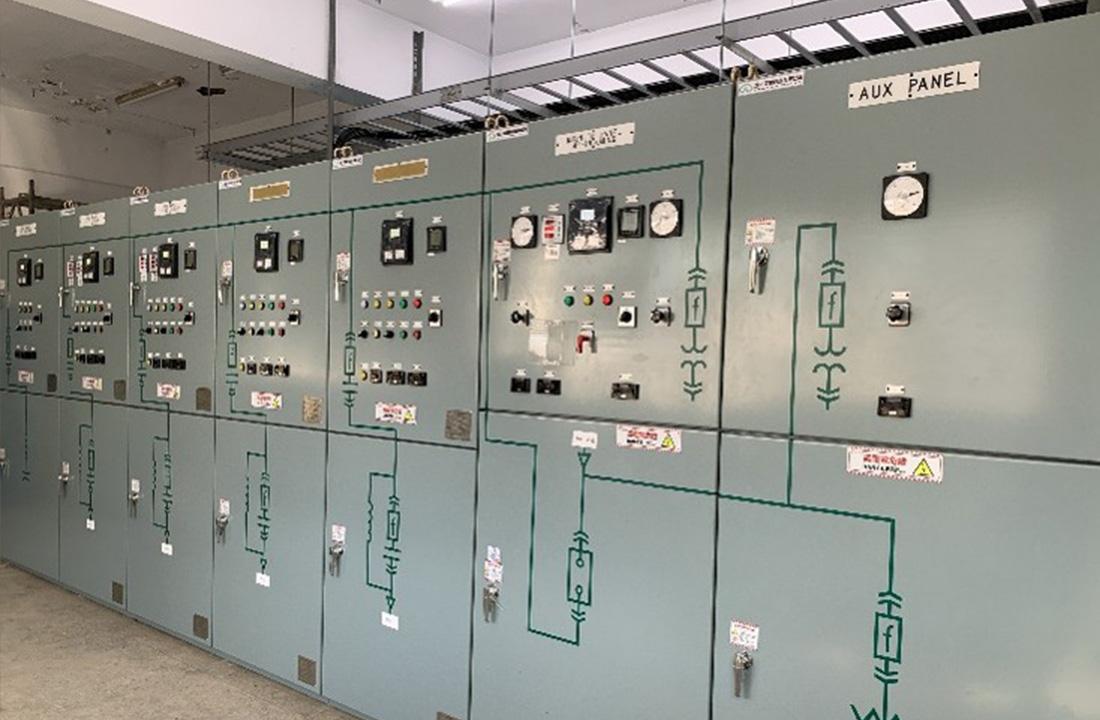
- 3.3kV High Voltage Distribution Board (including installation, testing, and educational training)
- Substation Replacement Project