Modernizing Power Systems for Urban Infrastructure #
As urban transportation networks continue to grow and evolve, the need for stable and reliable power supply becomes increasingly critical. Key infrastructure such as airports, railways, subways, light rail, and highway monitoring systems all depend on substations to deliver consistent and uninterrupted power. However, many existing substations face challenges due to aging equipment, outdated technology, and insufficient capacity, which can no longer meet the demands of modern systems and may introduce safety risks.
To ensure the safe and efficient operation of transportation infrastructure, there is a strong push to replace and upgrade substations. The next generation of substations incorporates advanced automation, monitoring, and energy-saving technologies, enhancing system stability, streamlining maintenance, and supporting high-efficiency operations.
Project Challenges and Pain Points #
Overcoming Barriers to High-Efficiency Green Energy Systems #
During construction, it is essential to manage safety and minimize disruptions to public life. Working hours and construction methods are often restricted. Existing power equipment is typically old and distributed in complex ways, making replacement technically challenging, especially regarding equipment compatibility and system integration.
Budget constraints are common in public projects, making it crucial to deliver high-quality upgrades within limited resources. Additionally, energy-saving and carbon-reduction policies require that replacement plans address environmental protection and energy efficiency, adding further technical and financial pressure. Coordination among multiple departments is necessary for power equipment replacement, which can complicate the process and lead to potential delays.
Solutions for Effective Power Equipment Upgrades #
To address the diverse challenges of public project power equipment replacement, construction plans should be guided by the principles of safety, efficiency, coordination, and sustainability.
- Minimizing Public Disruption: Schedule construction in phases, at night, or during off-peak hours. Utilize pre-assembled and rapid connection technologies to reduce on-site operation time and minimize impact on daily life and traffic.
- Technical Integration: Conduct comprehensive assessments and compatibility evaluations in advance. Select new equipment that supports multiple protocols and features modular design to simplify integration and reduce future maintenance costs.
Key Advantages #
- Strict Adherence to Public Safety Standards: Fully compliant with government safety regulations for public engineering, ensuring both construction and operational safety and protecting public interests.
- Extensive Experience in Public Infrastructure: Proven track record in public engineering power equipment upgrades, with deep familiarity with government bidding processes and regulatory requirements.
- Uninterrupted Power Supply During Construction: Implement phased construction and backup solutions to maintain continuous power for public infrastructure, ensuring normal operations.
- Application of Energy-Saving, High-Efficiency Equipment: Deploy advanced energy-saving power units to boost system efficiency and reduce public energy costs.
- Comprehensive After-Sales and Maintenance Services: Offer ongoing maintenance and emergency support to guarantee long-term, stable operation of public infrastructure.
- Strong Government Collaboration: Work closely with multiple government agencies, building a reputation for professionalism and reliability.
Successful Case Study #
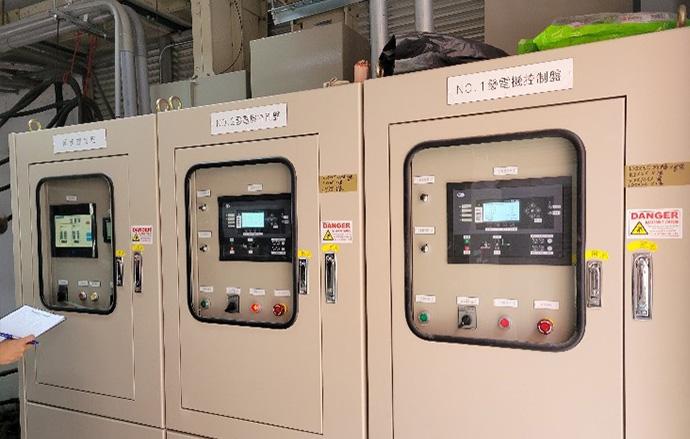
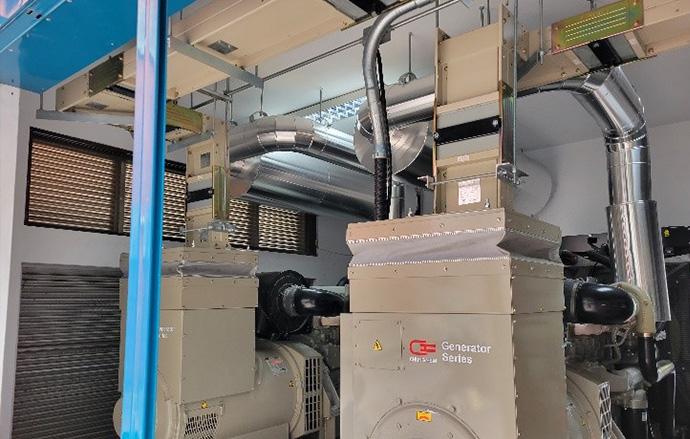
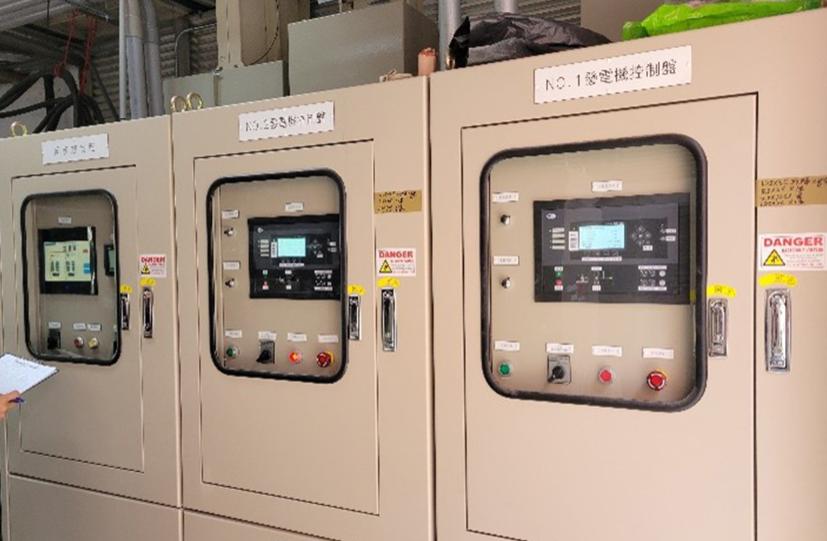
Presidential Office - 500KW Generator Set Upgrade Project
A notable example is the power generator replacement project at the Presidential Office, where a 500KW generator set was upgraded to enhance reliability and efficiency.