Ensuring Reliable Power for Healthcare: Challenges, Solutions, and Achievements #
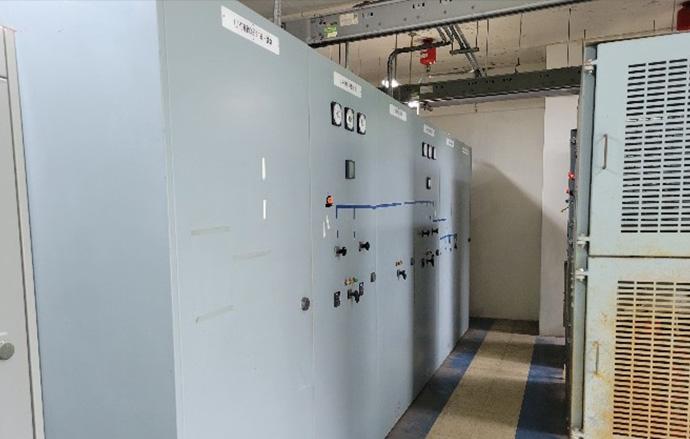
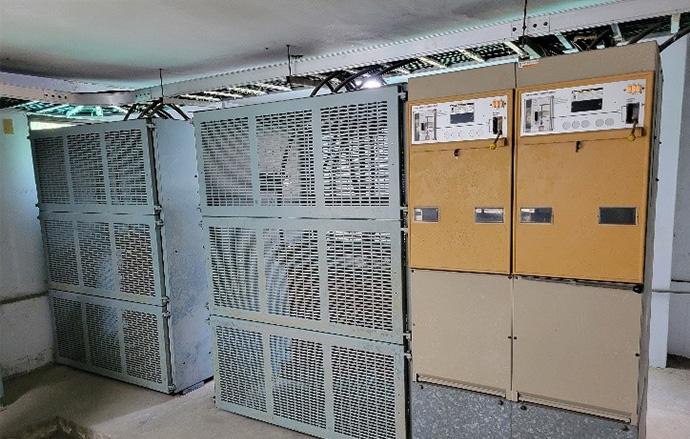
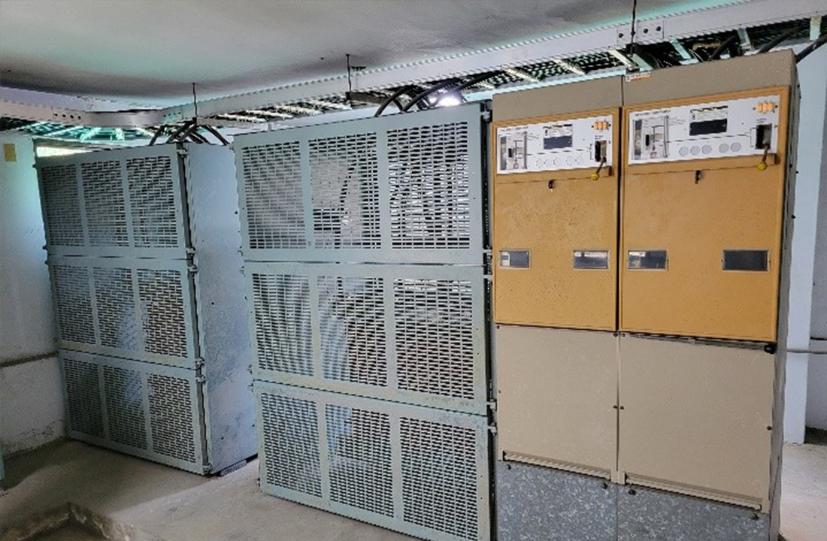
As essential public service providers, medical institutions depend on stable and reliable power systems to safeguard patient safety and maintain high standards of medical care. With the increasing sophistication of medical equipment and rising energy demands, many hospitals face challenges as their existing transformer station equipment becomes outdated, overused, and insufficient for modern requirements. Aging infrastructure not only risks sudden power outages but also threatens the operation of critical emergency and life-support systems.
To address these issues, hospitals are proactively implementing transformer station replacement projects. By adopting advanced, efficient power equipment and integrating intelligent monitoring, they aim to enhance power supply stability and system safety—ensuring uninterrupted medical services and protecting patient well-being.

Project Pain Points and Challenges #
Overcoming Complexities to Build Efficient, Green Energy Systems #
Medical institutions have exceptionally high requirements for power stability and continuity. Even brief power interruptions can disrupt life-support equipment and essential medical devices, directly impacting patient safety. Therefore, replacement and upgrade projects must be executed without any power interruptions, significantly increasing construction complexity.
Additional challenges include:
- Complex Internal Power Systems: Hospitals have intricate and dispersed power infrastructures, requiring meticulous planning to accommodate various departments during upgrades.
- Regulatory Compliance: Upgrades must meet current medical standards and regulations, raising the technical demands of design and construction.
- Budget Constraints: Hospitals must balance cost-effectiveness with system safety and reliability.
- Environmental and Intelligence Standards: With the push for smart healthcare and energy-saving policies, upgrades must also meet high environmental and intelligent system requirements.
Solutions #
To address these challenges, construction plans are developed around the core principles of “zero interruption and zero risk.” Key strategies include:
- Comprehensive Assessment: Evaluate critical equipment and power structures throughout the hospital.
- Robust Backup Mechanisms: Establish dual power supply routes, uninterruptible power supply (UPS) systems, and standby generators to ensure continuous power during all construction phases.
- Phased and Segmented Construction: Plan upgrades in stages, coordinating closely with each department and prioritizing work during non-clinical or low patient density periods to minimize disruption.
- Intelligent Equipment Integration: Select power equipment that complies with legal and medical communication standards, ensuring compatibility and stability through simulation testing and phased implementation.
- Targeted Upgrades: Prioritize replacement of high-energy-consumption and high-risk equipment to maximize safety, energy efficiency, and upgrade effectiveness within budget constraints.
Main Advantages #
- Extensive Experience in Medical Institution Upgrades: Years of service and a track record of superior construction quality and reliability have earned high trust from hospitals.
- Uninterrupted Power Supply Construction: Segmented construction and robust backup solutions ensure continuous medical services and emergency care, surpassing most competitors.
- Strict Safety Standards and Zero Accident Record: A comprehensive safety management system has resulted in zero accidents during construction, with safety standards exceeding industry norms.
- Modular Construction Approach: Flexible modular design improves efficiency, shortens construction timelines, and effectively controls costs.
- One-Stop Integrated Services: Comprehensive support from design and construction to ongoing maintenance simplifies hospital management processes.
- Flexible Construction Scheduling: Coordination during both operational and off-peak periods minimizes impact on patient care.
Successful Cases #
Taipei Rongmin General Hospital #
- Psychiatric Building, Helipad Center, and replacement of old electrical equipment at various power stations in the Parking Structure
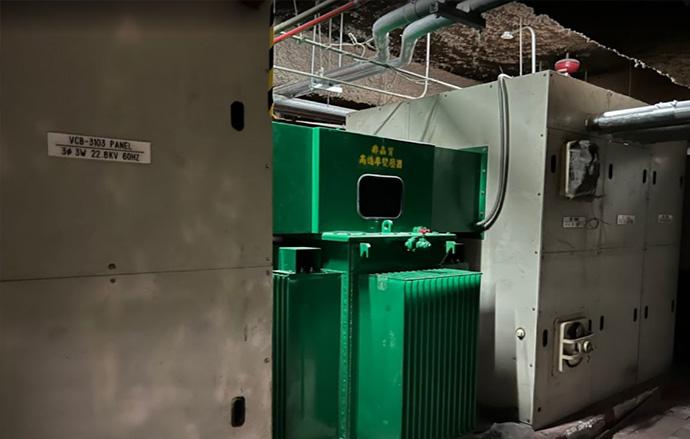
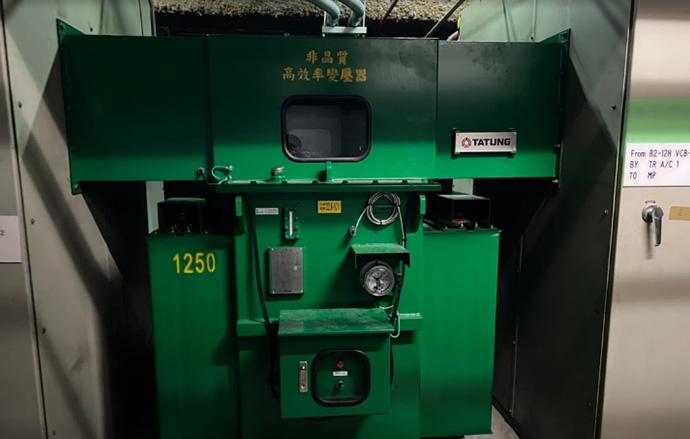
- Transformer Station Replacement Project
National Taiwan University Hospital #
- 2022 East Street Substation Replacement Project
- Transformer Replacement Project